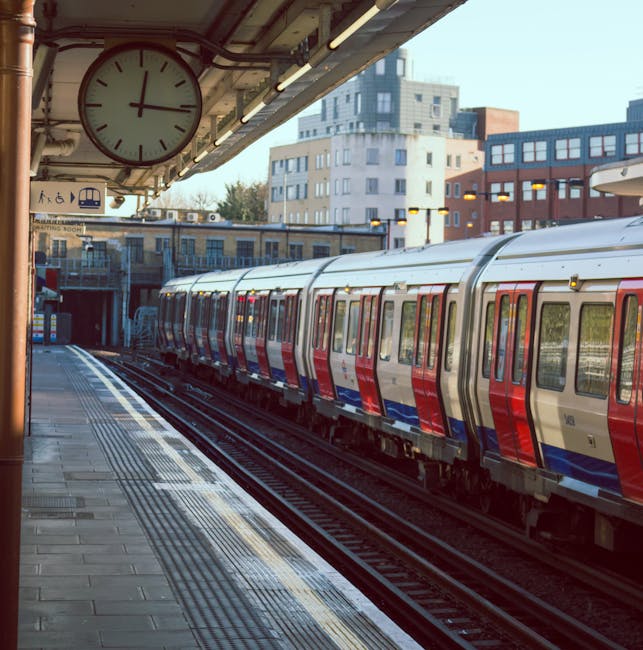
Enfield Town Station moving guide for local removals
Moving near Enfield Town Station can feel straightforward on paper and oddly fiddly in real life. Trains, narrow residential roads, shared driveways, flats above shops, parking restrictions, school-run traffic, and the usual "where did we put the kettle?" chaos all show up at once. This Enfield Town Station moving guide for local removals pulls the job into a clear, practical order so you can move with less stress and fewer surprises.
Whether you are shifting a one-bedroom flat, a family house, or a small business close to the station, the goal is the same: keep the move calm, predictable, and safe. You will find step-by-step guidance, local moving considerations, a comparison of common options, a realistic example, and a checklist you can actually use. A bit of planning goes a long way. Truth be told, it saves more time than most people expect.
Table of Contents
- Why Enfield Town Station moving guide for local removals matters
- How Enfield Town Station moving guide for local removals works
- Key benefits and practical advantages
- Who this is for and when it makes sense
- Step-by-step guidance
- Expert tips for better results
- Common mistakes to avoid
- Tools, resources and recommendations
- Law, compliance, standards, or best practice
- Options, methods, or comparison table
- Case study or real-world example
- Practical checklist
- Conclusion
- Frequently asked questions
Why Enfield Town Station moving guide for local removals Matters
Moves around Enfield Town Station often look simple from a distance. After all, it is a local move, not a cross-country relocation. But local removals come with their own set of pressures, especially in an area where access can vary block by block. A van may be able to stop easily outside one property and struggle the next street over. A building with lift access can save an hour; a top-floor walk-up can take it right back. Moving day has a funny way of testing every assumption you made on a quiet Tuesday evening.
This matters because local removals are often decided by logistics rather than distance. The difference between a smooth move and a messy one usually comes down to timing, access, packing quality, and whether the right support is booked early enough. If you are comparing removal services, taking a look at the broader removals options can help you understand what level of help makes sense for your situation.
Near Enfield Town Station, those details matter even more. The station area is active, with regular foot traffic and typical town-centre congestion at busier times. You may need to think about unloading windows, how long a vehicle can stay parked, and whether you will be moving bulky items at a time when access is at its worst. That is not a disaster. It just means you need a plan that respects the street as it is, not as you wish it would be.
Expert summary: a local move near Enfield Town Station is usually won or lost on access, packing, timing, and the right transport. Sort those four things and the day becomes much easier.
How Enfield Town Station moving guide for local removals Works
The process is simpler than it sounds. Start by assessing what you are moving, where it is going, and how the route will work on the day. Then decide whether you need a full removal team, a smaller vehicle, packing help, storage, or a combination of services. The best moving plan is the one that matches the real size of the job rather than the ideal version in your head.
In practice, local removals near the station often work in five stages:
- Survey the property and access. Check stairs, lifts, parking, tight corners, and whether items need to be carried a long way.
- Sort and reduce. Separate what is moving, what is going into storage, what will be recycled, and what can be sold or donated.
- Pack by zone. Use room-by-room packing so boxes can be loaded and unloaded with less guesswork.
- Book the right vehicle and team. A small van can be ideal for a compact flat or a partial move, while a bigger household move may need more muscle and space.
- Unpack the essentials first. Keep documents, chargers, toiletries, and basic kitchen items separate so the first night is not a scavenger hunt.
If you need help with handling awkward or partial loads, a service such as small removals can be a sensible fit. For larger household moves, house removals tends to be the more practical route.
There is also a growing trend toward combining moving and storage. That is not just for people downsizing. It can help if completion dates do not line up neatly, if a new place needs decorating, or if you want less clutter during the move itself. In those cases, removals and storage can make the whole process feel less crammed and chaotic.
Key Benefits and Practical Advantages
A proper moving guide is not just about "being organised." It helps you avoid the common stress points that catch people out, especially around transport and timing. Here are the benefits that matter most in a local Enfield move.
- Less time wasted. When boxes are labelled clearly and access is planned, the removal team is not waiting around while someone hunts for the keys.
- Lower damage risk. Correct packing and sensible loading reduce the chance of scratched furniture or broken boxes.
- Better use of space. A well-packed van costs less in time and effort because fewer trips are needed.
- Less stress for everyone. The calmer the move, the easier it is for family members, neighbours, and the movers themselves.
- More flexibility. Storage and partial removal options give you breathing room if dates don't match exactly.
One overlooked advantage is decision clarity. When you have a plan, you stop second-guessing every box. Do I take the shelving unit now or later? Should the office chair go with the first load? These little decisions pile up quickly. Good planning reduces that noise.
If your move involves furniture that needs more careful handling, it can be worth reading about furniture storage or secure storage if some items need to be kept safe before or after moving day.
Who This Is For and When It Makes Sense
This guide is useful for a few different types of mover. It is not just for families with a full house, and it is definitely not just for people moving miles away. Local moves often need more judgement, not less.
- Home movers relocating to or from flats, terraced houses, or maisonettes near the station.
- Students who are moving between term-time accommodation, halls, or shared housing and need a compact, efficient plan.
- Professionals who are shifting a flat around a work schedule and need the move to happen quickly.
- Small businesses moving stock, files, desks, or office equipment.
- People in transition who are waiting on keys, refurbishments, or a delayed completion date.
It also makes sense if you are not sure whether you need a full removals service or a smaller vehicle with a driver. Sometimes a man and van solution is enough. Other times, the move is heavier, more fragile, or just more awkward than it first appears. Let's face it, a three-seater sofa has a way of making a "simple" move suddenly less simple.
If you are moving a business rather than a home, you may want to compare office removals and office storage for documents, furniture, and equipment. For paperwork-heavy moves, document storage can help keep important files safe and out of the way.
Step-by-Step Guidance
1. Start with a realistic inventory
Write down what is actually moving. Not what you think is moving. What is physically leaving the property. Include the awkward items too: mirrors, lamps, plant pots, framed pictures, bed parts, and anything heavy that seems to have multiplied since the last move.
This inventory helps you estimate van size, labour, and packing materials. It also makes it easier to spot items that need special care.
2. Check access before you book anything
Near Enfield Town Station, a few minutes of access checking can save a lot of hassle. Measure stairwells if needed. Look at parking availability. Check whether the building has a lift. Ask if there are entry codes or concierge rules. If you are moving from a flat above a shop, make sure you know where the vehicle can stop and for how long.
3. Decide what should travel, stay, or go into storage
Not everything needs to be moved on the same day. In some cases, it is smarter to split the job. You might take essentials to the new place, place surplus furniture in storage, and deal with non-urgent items later. A flexible option like self storage can keep clutter out of the way while you settle in.
If you are clearing a home slowly or planning a longer gap between properties, long-term storage may be more suitable. For things that need a very secure environment, secure storage gives added peace of mind.
4. Pack by room, then by priority
Packing room by room makes unpacking easier, but prioritising by first-night needs is just as important. Keep a separate essentials box for each person where possible. Think toiletries, medication, phone chargers, a change of clothes, tea bags, kettle items, and basic cleaning supplies. Not glamorous, but very useful.
If you do not have time to pack properly, packing services can be a worthwhile shortcut. Professional packing is often the difference between "we survived it" and "that was oddly calm."
5. Arrange transport with the route in mind
The best vehicle is not always the biggest one. A huge van can be unnecessary for a one-bed flat, while a tiny van can lead to extra trips. Match the vehicle to the move, the street, and the load. If you have a mixed move with some items going into storage and others going direct, coordinate the order carefully so the offloaded items are not buried under everything else.
6. Protect high-risk items first
Mattresses, mirrors, glass tops, TVs, artwork, and anything sentimental should be protected early. Use covers, blankets, and sturdy boxes. Wrap fragile items generously; the extra few minutes are worth it. A scratched table is annoying. A smashed family photo frame is something else entirely.
7. Build in a buffer
Do not plan a move with no slack. Traffic, parking delays, missing keys, and last-minute packing surprises are common enough that a little buffer is just sensible. Even an hour's margin can stop the day from feeling like one long panic.
Expert Tips for Better Results
In our experience, the best local moves are never the fanciest. They are the clearest. Simple systems beat heroic last-minute efforts almost every time.
- Label boxes in two ways. Write the room and the contents on the top and one side. You will thank yourself when boxes are stacked.
- Use colour hints for rooms. A bit of coloured tape can help movers place items quickly without asking about every single box.
- Keep screws and fittings with the furniture. Zip bags taped to the underside of a bed frame can save a lot of rummaging later.
- Measure large items before moving day. It is better to find out the wardrobe is too wide before the van arrives. Obvious, perhaps, but easily skipped.
- Clear walkways. Hallways, stair landings, and door frames should be free of loose items and tripping hazards.
- Use storage as a pressure valve. If the new home is smaller, or you are waiting on decorating, storage keeps the move manageable rather than overwhelming.
One small but important tip: do not pack your only kettle in the last box. People laugh until they are standing in a new kitchen at 9:40 p.m. with no tea. Then it stops being funny very quickly.
For business customers or mixed-use moves, the same principle applies. If you need space for stock or archived paperwork while relocating, business storage and document storage can keep the working side of things tidy while the move happens around it.
Common Mistakes to Avoid
Local removals are full of little traps. Most are avoidable, and the ones that aren't can usually be softened with a bit of forward planning.
- Booking too late. Good movers and the right vehicle slots go quickly, especially around month-end and weekends.
- Underestimating the access challenge. A short distance on the map can still mean a long carry from van to front door.
- Packing heavy boxes full of books. It sounds efficient. It is not. Your back will tell you later.
- Leaving essentials loose. If it matters on day one, keep it separate.
- Assuming every item will fit. Measure first. Move later.
- Ignoring building rules or parking needs. A move can stall if the vehicle cannot stop where you hoped.
Another one: not asking about insurance and liability. You do not need to become a legal expert, but you should understand the basics of cover, responsibility, and what your service includes. It is one of those topics people skip when they are busy, then regret later. Not glamorous, but sensible.
Tools, Resources and Recommendations
You do not need a mountain of specialist kit to move well. You just need the right basics and a few good habits.
| Tool or resource | Why it helps | Best use case |
|---|---|---|
| Strong cardboard boxes | Protects contents and stacks well in the van | Books, kitchenware, clothing, mixed household items |
| Packing tape and markers | Keeps boxes closed and labelled | Every room in the property |
| Furniture blankets | Reduces scuffs and knocks during loading | Tables, wardrobes, beds, appliances |
| Zip bags and tape | Keeps screws and fittings together | Flat-pack furniture, bed frames, shelving |
| Trolley or sack truck | Helps move heavier items safely | Fridges, boxes, office files, bulk items |
| Storage space | Creates flexibility when dates or space are tight | Delayed completion, downsizing, refurbishment |
For people who want the move to feel less like a sprint, storage and transport can be combined in a sensible way. mobile self storage can be particularly useful if you want items collected and held without multiple handling steps. If you need help shifting smaller loads or single bulky pieces, man and van support is often the sweet spot.
If recycling and reducing waste matter to you, which they often do during a clear-out, it is worth looking at the company's recycling and sustainability approach. Moving is a natural time to sort, donate, and avoid dragging unnecessary clutter into the next chapter.
Law, Compliance, Standards, or Best Practice
Moving house or office near Enfield Town Station does not usually involve complicated legal paperwork, but best practice still matters. In the UK, movers and customers generally need to think about safe lifting, property access, parking rules, building management requirements, and the terms of any storage or removal service they book. The exact responsibilities can vary by provider, so it is wise to read the service terms carefully rather than skim them at 11 p.m. with a mug of tea and hope for the best.
A reputable mover should be able to explain how items are handled, what cover is in place, and how safety is managed on moving day. If the service includes storage, make sure you understand the storage conditions, access arrangements, and payment rules. A good starting point is the company's insurance and safety information alongside its health and safety policy and terms and conditions.
For businesses, the same care applies to confidential material and equipment. Secure handling of records and stock matters, and so does clarity over access. If you are relocating an office or back-room archive, office storage can help bridge the gap while you settle into the new site.
It is also reasonable to check how a provider handles privacy, payments, and complaints. Those are not exciting topics, granted. But they are part of a trustworthy service. Pages such as privacy policy, payment and security, and complaints procedure are worth a quick look before you book. Simple, really.
Options, Methods, or Comparison Table
Different moves call for different approaches. The best choice is usually the one that matches your volume, budget, timing, and level of help needed.
| Option | Best for | Pros | Trade-offs |
|---|---|---|---|
| Man and van | Small flats, single items, light local moves | Flexible, practical, often quick | Less suitable for large or complex moves |
| Full removals service | Family homes, heavier loads, time-sensitive moves | More support, better for complex jobs | Usually costs more than a simple van hire |
| Removals and storage | Moves with timing gaps or downsizing | Reduces pressure, adds flexibility | Requires coordination and extra planning |
| Self storage only | Staged moves, decluttering, overflow items | Good for control and long-gap situations | Items must still be moved in and out separately |
| Packing services plus transport | Busy households, fragile items, limited time | Saves time and reduces packing errors | Useful, but not always necessary for smaller moves |
If you are unsure where you sit, a quick decision rule helps: if the load is small and access is straightforward, a small removals or man and van option may be enough. If you have heavy furniture, multiple rooms, or a tight schedule, a fuller house removals service is usually the safer choice.
Case Study or Real-World Example
Picture a couple moving from a first-floor flat a short walk from Enfield Town Station to a terraced house nearby. On paper, it is only a local move. In practice, they have a sofa that barely fits through the hallway, a cot to dismantle, several boxes of books, and a completion window that might shift by a few hours. Sound familiar?
Instead of trying to move everything at once, they split the job into two loads. Essentials, clothes, and kitchen items went first. Less urgent things, including spare furniture and seasonal items, went into self storage for two weeks while the new home was being painted. They also booked packing help for fragile items and labelled each box by room. The result was not magical, but it was much calmer. The move still took effort, obviously. It was a move. But nobody was scrambling in the dark for a phone charger at midnight.
That kind of phased move is common around the station area because property timelines do not always line up neatly. If you are in that position, the best answer is often not "try harder" but "split the problem into stages." A practical storage-and-removals setup can make all the difference.
Practical Checklist
Use this as your pre-move sanity check. Print it, copy it, scribble on it. Whatever works.
- Confirm the moving date and access times.
- Check parking and loading space near both properties.
- Measure large furniture and awkward items.
- Decide what is moving, storing, selling, donating, or recycling.
- Book the right removals option for the size of the job.
- Gather boxes, tape, labels, covers, and basic packing materials.
- Pack an essentials box for the first 24 hours.
- Keep documents, keys, chargers, and valuables separate.
- Protect floors, doors, and fragile surfaces where needed.
- Read service terms, insurance details, and payment information before confirming.
- Tell building managers or neighbours if access may be affected.
- Plan the first night at the new property so you are not hunting through ten boxes for toothpaste.
If you are moving a smaller load, or there are just a few awkward pieces, small removals can keep things efficient. If you want a broader service with storage built in, removals and storage is the more flexible route.
Get a free quote today and see how much you can save.
Conclusion
A move near Enfield Town Station does not have to turn into a day of cardboard, delays, and crossed fingers. With the right plan, local removals become far more manageable than people expect. The real work is not just lifting boxes. It is choosing the right method, packing in a sensible order, checking access, and giving yourself enough breathing room to avoid panic.
If you take one thing from this guide, make it this: treat the move as a sequence, not a single event. Sort the load, protect the fragile stuff, plan the route, and use storage when timing or space gets awkward. That is how a local move stays local instead of becoming a whole weekend drama.
And once the last box is inside, the kettle is on, and the key is finally in your hand, the relief is real. One small step at a time. That is usually how good moves happen.
Frequently Asked Questions
What is the best removals option for a small move near Enfield Town Station?
For a small flat, studio, or a few bulky items, a man and van or small removals service is often the most practical choice. It keeps costs and vehicle size sensible while still giving you help with loading and transport.
How far in advance should I book a local removal?
As early as you can, especially if you want a weekend slot or you are moving at month-end. Even for a local move, good providers can fill up quickly. A little warning, a little planning, and life becomes simpler.
Do I need storage if my move is only a few streets away?
Not always, but it helps when dates do not line up, when you are downsizing, or when you want to move in stages. Self storage can take the pressure off if the new place is not quite ready.
What should I pack in an essentials box?
Keep toiletries, medication, chargers, tea and coffee, a kettle if needed, a change of clothes, basic cleaning items, and any documents you need close to hand. Think first night, not perfect unpacking. That is the trick.
Is packing help worth it for a local move?
It can be, especially if you are short on time, moving with children, or have fragile items. Packing services are particularly useful when you want the move to feel more structured and less last-minute.
How do I know whether I need house removals or a man and van?
If you have multiple rooms, heavy furniture, or a more complex move, house removals is usually the better fit. If your load is smaller and access is straightforward, man and van is often enough.
What happens if my completion date changes?
That is where flexibility matters. Storage can bridge the gap, and a staged move can stop you from rushing. If the timing is uncertain, removals and storage is worth considering early.
Are there special considerations for moving office items near the station?
Yes. Office moves often involve files, equipment, desks, and time-sensitive access. Office removals and office storage can help keep the business side organised while the move happens.
How should I handle fragile or sentimental items?
Pack them separately, use generous protection, and do not bury them under heavy boxes. If the item matters emotionally or is hard to replace, give it extra care. That sounds obvious, but people still forget it when they are rushing.
What should I check before agreeing to a storage service?
Check access, payment details, service terms, and how items are protected while stored. It is sensible to review the provider's terms and conditions and insurance and safety information first.
Can I combine removals, storage, and packing in one move?
Yes, and that is often the smoothest route for a local move with mixed timing or a lot of belongings. A combined setup can reduce handling, save time, and make the move feel much more coherent.
What is the biggest mistake people make with local removals?
Underestimating how much planning a short-distance move still needs. Local does not mean casual. A bit of structure, and a bit of honesty about the volume, makes all the difference.