Recycling and Sustainability at Self Storage Enfield
 At Self Storage Enfield, sustainability is not treated as an extra feature; it is built into the way the site operates. The aim is to make storage in Enfield as practical as possible while reducing environmental impact across day-to-day operations. From careful sorting of materials to responsible collection routes, our approach supports customers who want a cleaner, more efficient way to manage belongings, business stock, and household clear-outs.
We are working toward a recycling percentage target of 90% for operational waste, with a focus on diverting as much material as possible away from landfill. That includes cardboard, plastics, paper, metals, shrink wrap, and other recyclable packaging commonly generated around storage facilities. The goal is to keep improving our recycling rate year on year through better segregation, monitoring, and collaboration with specialist waste partners. For a self storage Enfield location, this matters because high turnover in packaging and removals materials can create a lot of waste if it is not separated properly.
Local waste management plays an important role too. We work with transfer and recycling facilities in the wider borough network, using recognised transfer stations that can process mixed commercial recyclables, construction-related offcuts, and general non-hazardous waste. In an area where borough waste systems place emphasis on source separation, we align our procedures with local expectations for keeping dry mixed recycling distinct from residual waste. That means more of what leaves the site is sorted for re-use or recycling rather than disposal.
 Enfield and neighbouring boroughs often take a practical, targeted approach to waste separation, and that fits naturally with how a modern Enfield self storage facility should operate. Cardboard from deliveries is flattened and collected separately, while plastics and pallet wrap are kept away from heavier waste streams. Items such as old shelving components, office paper, and metal fittings are also identified for recovery where possible. These small but consistent steps help create a more circular system around the site.
Partnerships with charities are another important part of our sustainability commitment. Where customers leave behind items that are still in good condition, we look to donate suitable goods through local charitable organisations rather than sending them to disposal. Furniture, household items, books, and usable office equipment can often have a second life with families, community groups, or people setting up new homes. By working with charities, storage Enfield can help reduce waste while supporting social value in the area.
These donations also reflect a broader principle: sustainability is not just about recycling materials, but about extending the useful life of products. Re-use is typically better than recycling from a carbon perspective because it avoids the energy involved in processing raw materials. For customers clearing units after a move or renovation, this means there can be a more responsible end point for items that are no longer needed but still perfectly serviceable.
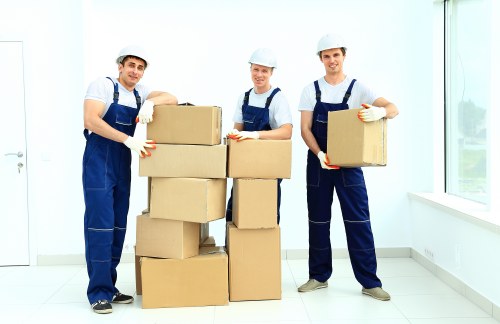 Transport is another area where environmental improvement is essential. Our low-carbon vans are selected to reduce emissions across local journeys, including collections, deliveries, and waste transfers. Efficient route planning helps keep mileage down, while modern vehicle standards support lower fuel use and reduced exhaust output. For a busy self storage in Enfield service, those choices can make a meaningful difference over time, especially when vehicles are used frequently within the borough and nearby London districts.
We also try to maintain a lean operational model, which supports sustainability in several ways. Energy-efficient lighting, careful stock control, and reduced unnecessary movement around the site all contribute to a smaller footprint. Even the way materials are received and stored matters: reusable pallets are returned into circulation, cardboard is compressed for collection, and office consumables are reviewed to minimise avoidable waste.
In the local context, sustainability is closely linked to how boroughs manage domestic and commercial waste. Enfield’s recycling culture encourages residents and businesses to separate paper, glass, metal, plastics, and food waste, and that mindset carries through into our own processes. While we do not handle household waste streams directly, we are mindful of the same principles—keeping recyclable material clean, sorted, and easy to recover. It is a simple approach, but one that can significantly improve the final recycling outcome.
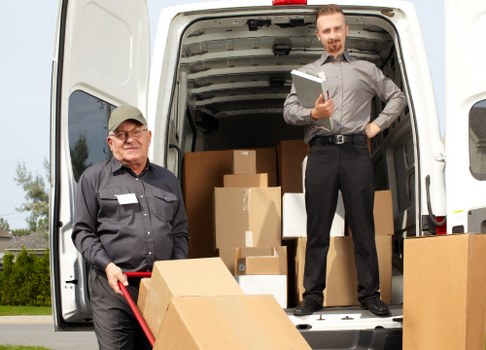 For customers using storage in Enfield, sustainability can also be part of the decision-making process when clearing, moving, or downsizing. Choosing a facility that prioritises responsible waste handling means fewer unnecessary trips to landfill and more opportunities to recover materials through recycling or donation. This is particularly relevant for business users managing packaging, documents, or equipment, as well as households dealing with seasonal decluttering or relocation.
As part of our ongoing environmental commitment, we continually review the performance of our waste contractors and the quality of our recycling streams. That includes checking whether collected materials are being routed to approved transfer stations and whether recyclable fractions are being recovered efficiently. The aim is to support a transparent system that is practical for customers and beneficial for the wider community.
 Looking ahead, Self Storage Enfield will continue to refine its sustainability approach with the same focus on reduction, re-use, and recycling. By setting a high recycling percentage target, using local transfer stations responsibly, supporting charities, and operating low-carbon vans, we are building a storage service that reflects modern environmental priorities. For anyone seeking self storage Enfield with a lower-impact operating model, these measures help make everyday storage choices more sustainable.